The 15 Best Indoor Plants for Beginners: Your 2026 Starter Guide
You killed a cactus. Or maybe you’ve been eyeing everyone else’s gorgeous Instagram shelfies and wondering why your plants look like they’ve given up on life.
Here’s the truth: it wasn’t your fault. You probably just started with the wrong plant.
The good news? There are dozens of beautiful, resilient houseplants that genuinely want to survive in imperfect conditions — low light, irregular watering, and all the chaos of a real human life. This guide is your shortcut to finding the right one.
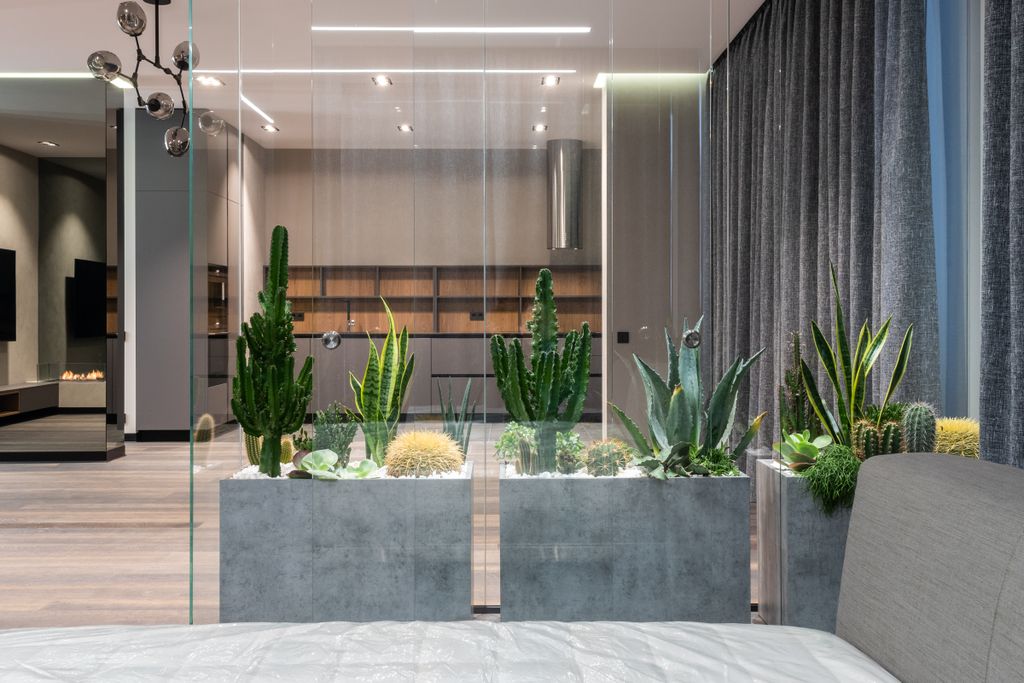
Whether you’re decorating your first apartment, trying to improve your indoor air quality, or you’ve just caught the plant bug and don’t know where to begin — you’re in the right place. By the end of this guide, you’ll know exactly which plant belongs in your home, how to keep it alive (and thriving), and what gear you actually need to get started.
What Makes a Plant “Beginner-Friendly”?
Before we get into the list, it’s worth knowing what you’re actually looking for. Not every plant marketed as “easy” truly is, and knowing the three core criteria will help you shop smarter.
1. Light Flexibility
Beginner-friendly plants can tolerate a wide range of lighting conditions. They won’t throw a tantrum if you put them six feet from a window instead of right on the sill. Ideally, they do well in low to medium indirect light — which describes most apartments and offices perfectly.
2. Watering Tolerance (Especially to Neglect)
The number one killer of houseplants isn’t underwatering — it’s overwatering. Great beginner plants can handle some irregularity. They won’t rot after one missed week, and they won’t wilt dramatically after two. Drought-tolerant varieties and plants that store water in their leaves or rhizomes are your best friends here.
3. Resilience to Common Stressors
Drafts, dry indoor air, pets, dust, varying humidity — homes aren’t greenhouses. The best indoor plants for beginners shrug off common household stressors without needing special sprays, humidity trays, or constant attention. If a plant needs misting twice a day, it’s not for beginners.
The 15 Best Indoor Plants for Beginners
These aren’t just random picks — each one earns its spot based on how forgiving it is, how good it looks in a home setting, and how widely available it is for purchase.
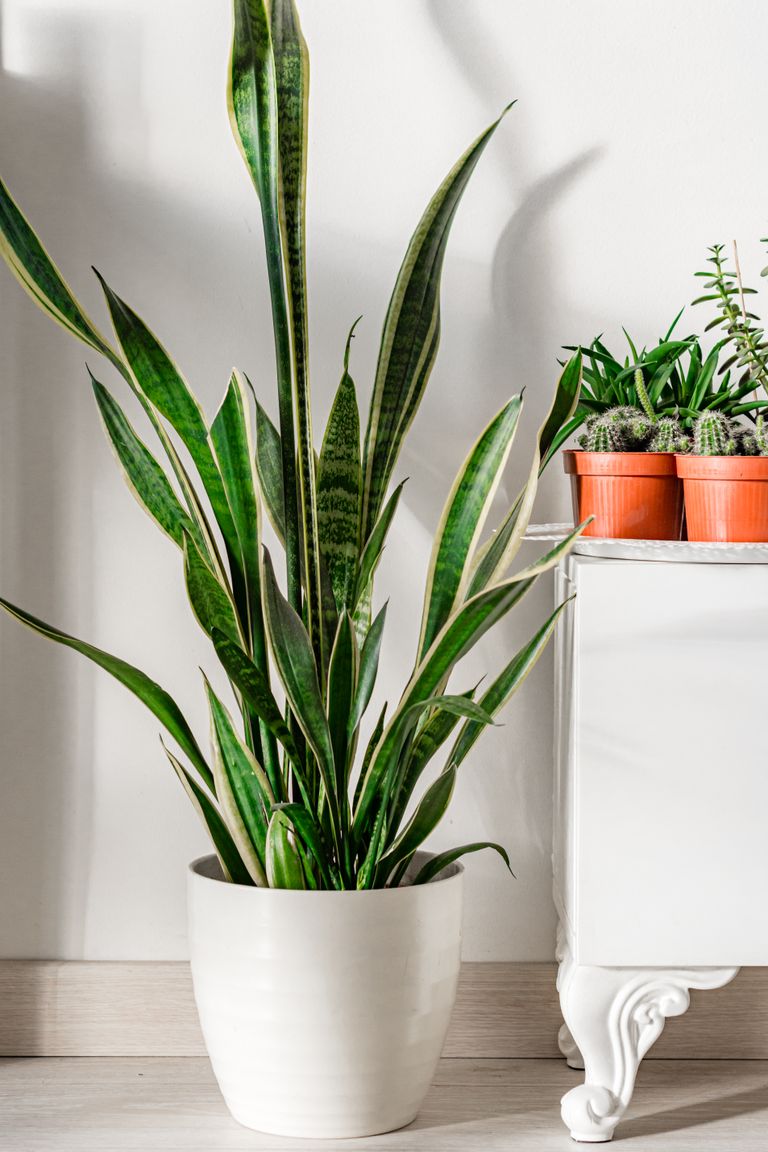
1. Snake Plant (Sansevieria / Dracaena trifasciata) — The Unkillable Classic
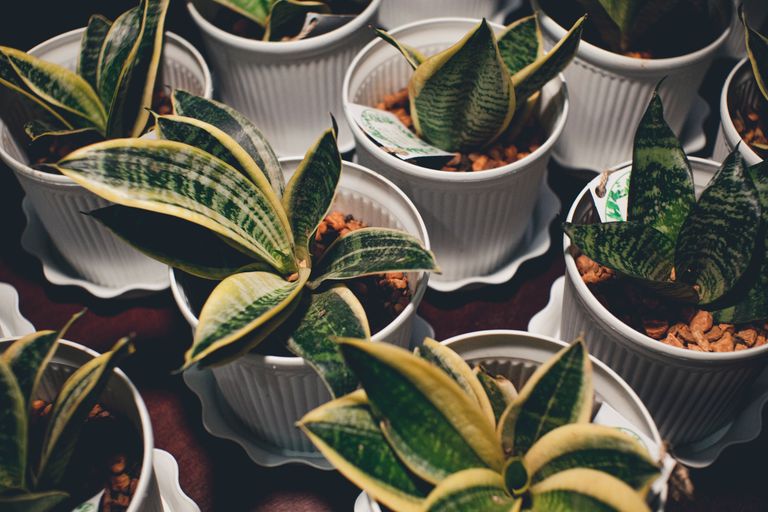
If there’s one plant that’s earned the nickname “unkillable,” it’s the snake plant. With its tall, architectural leaves and striking variegated patterns, it looks expensive — and it costs almost nothing in upkeep.
Light Requirements
Snake plants are one of the most light-flexible houseplants in existence. They tolerate low light remarkably well, but they’ll grow faster and look lusher in bright indirect light. Direct harsh sun can bleach the leaves, so keep them away from south-facing windows in summer.
Watering Schedule
Water your snake plant every 2–6 weeks, depending on the season and your home’s humidity. In winter, you can go even longer. The golden rule: let the soil dry out completely between waterings. Stick your finger two inches into the soil — if it’s dry, water thoroughly. If not, check back in a week.
Why Beginners Love It
- Nearly impossible to kill from neglect
- Thrives in offices, bedrooms, and dark hallways
- Listed as an air-purifying plant in NASA studies
- Comes in multiple sizes, from desktop minis to statement floor plants
⚠️ Pet caution: mildly toxic to cats and dogs if ingested
💡 Pro Tip: Snake plants prefer to be slightly root-bound. Resist the urge to repot frequently — they actually perform better when a little cramped.
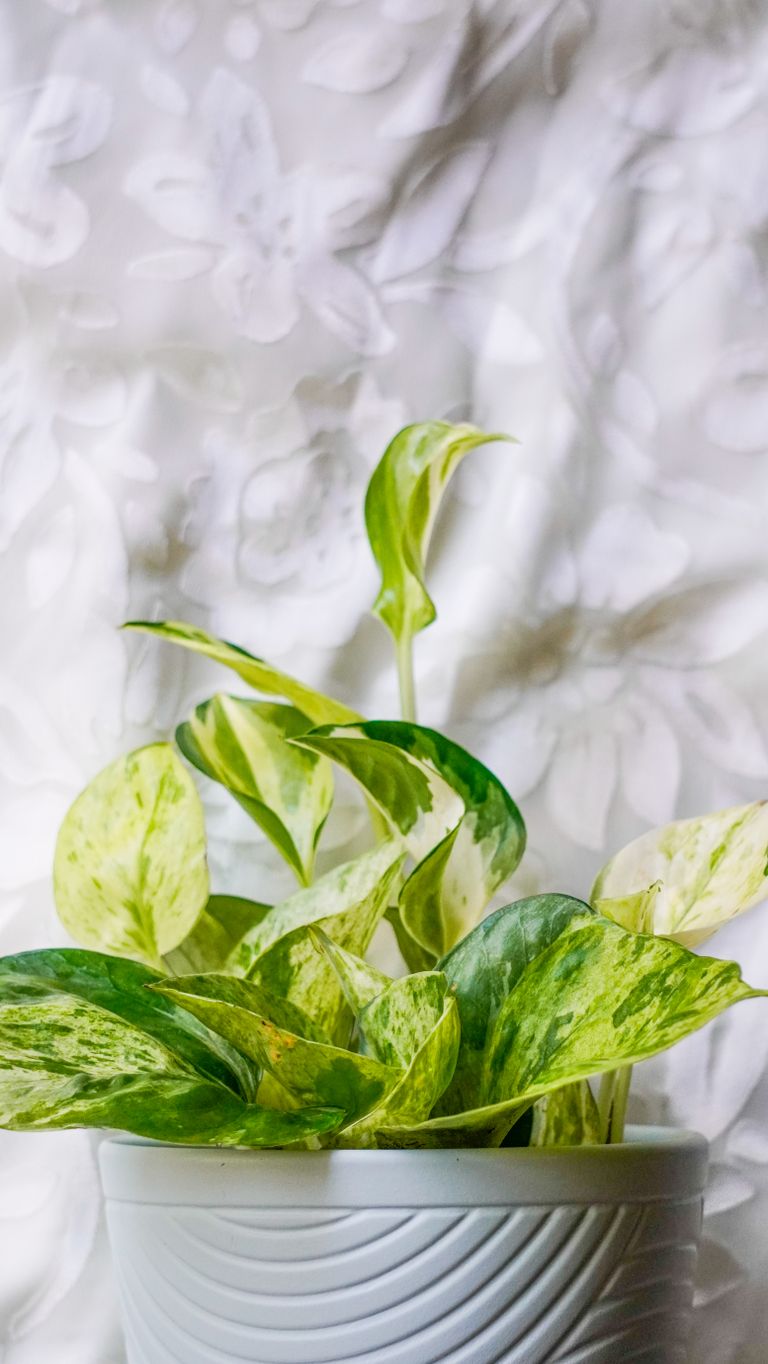
2. Pothos (Epipremnum aureum) — The Trailing Overachiever
Pothos is the plant that plant people give to people who say they can’t keep plants alive. This trailing vine is virtually indestructible and looks absolutely stunning cascading from a high shelf or tumbling out of a hanging planter.
Light Requirements
Pothos handles low light better than almost any other trailing plant. In darker conditions, it may lose some of its variegation (golden or marbled patterns), but it’ll keep growing. For the most vivid coloring, aim for medium to bright indirect light.
Watering Schedule
Water when the top inch or two of soil feels dry — roughly every 1–2 weeks. Pothos will actually tell you when it’s thirsty: the leaves will begin to curl or look slightly limp. Water it, and within hours, it perks right back up.
Why Beginners Love It
- Grows fast, giving you quick visible progress
- Can be propagated in a glass of water (free plants!)
- Works in pots, hanging baskets, terrariums, or trained up a moss pole
- Available in golden, marble queen, neon, and pearl & jade varieties
⚠️ Mild toxicity to pets — keep out of reach
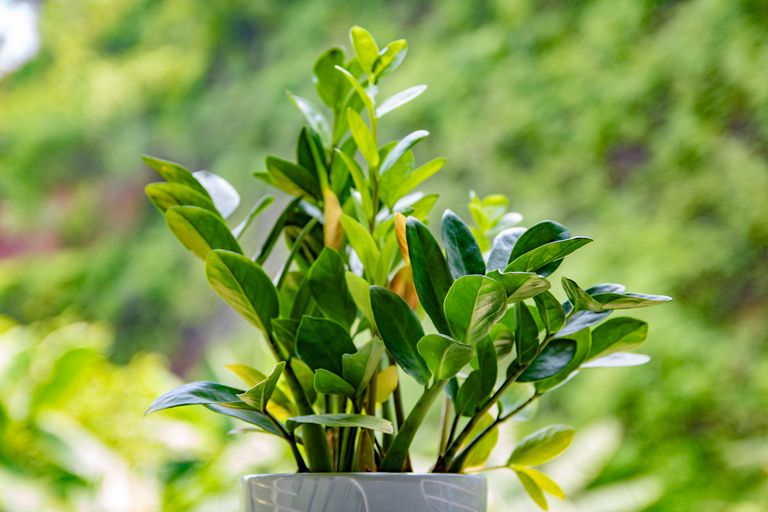
3. ZZ Plant (Zamioculcas zamiifolia) — The Office Survivor
You’ve seen this plant in every corporate lobby and hip coffee shop. The ZZ plant thrives in conditions that would kill most houseplants: artificial lighting, dry HVAC air, and weeks of neglect.
Light Requirements
Low to medium indirect light. The ZZ plant actually prefers to be away from windows, which makes it one of the few genuinely low-light plants that still looks polished and full. No direct sun — it scorches easily.
Watering Schedule
Every 3–4 weeks, or less in winter. The ZZ plant stores water in its thick rhizomes (underground storage organs), so it’s built for drought. When in doubt, underwater rather than overwater.
Why Beginners Love It
- Grows slowly — less repotting stress
- Glossy, deep-green leaves look polished
- Handles artificial light like a champ (great for windowless offices)
- Extremely low pest issues
⚠️ Mildly Toxic to humans and pets — wash hands after handling
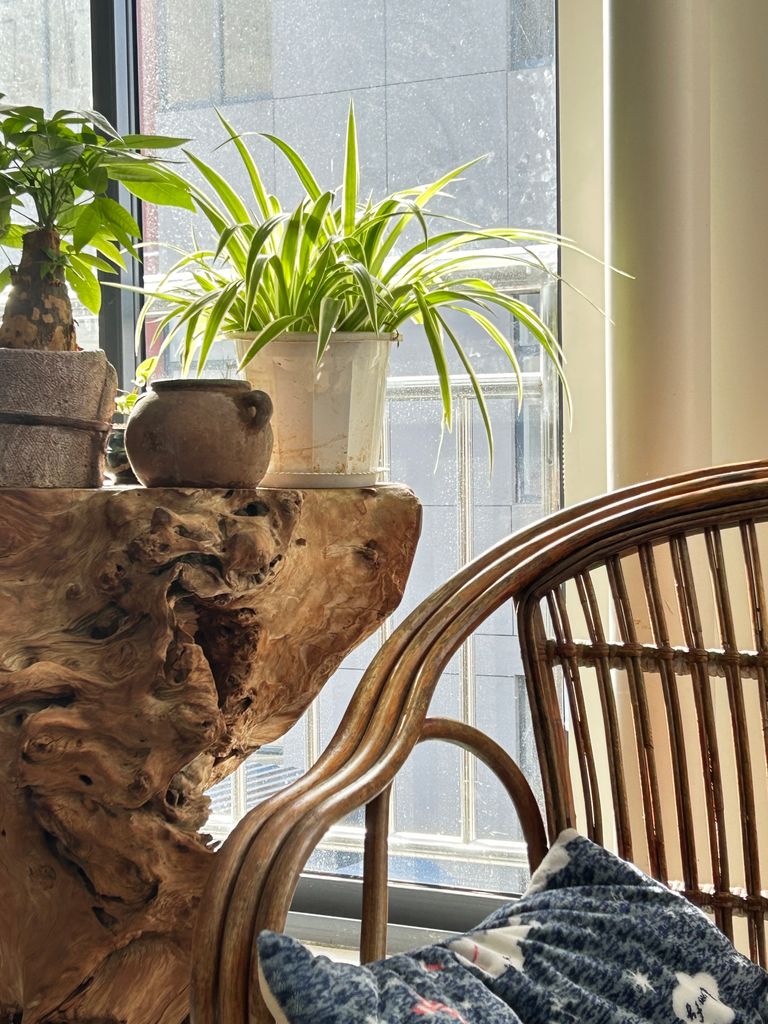
4. Spider Plant (Chlorophytum comosum) — The Air-Cleaning Classic
Spider plants have been a household staple since the 1970s, and they’ve never gone out of style. Fast-growing, cheerful, and one of the most researched air-purifying plants in NASA’s Clean Air Study.
Light Requirements
Medium to bright indirect light is ideal, but spider plants are famously adaptable. They’ll survive in lower light, though they grow more slowly and the classic striped variegation may fade.
Watering Schedule
Water moderately — once a week in spring and summer, tapering off in fall and winter. Spider plants are sensitive to fluoride in tap water, which can cause brown leaf tips. If you notice browning, try using filtered or distilled water.
Why Beginners Love It
- Produces “spiderettes” (baby plants) that hang on long runners
- Great for hanging baskets or high shelves
- One of the most researched air-purifiers available
- Pet-friendly — non-toxic to cats and dogs
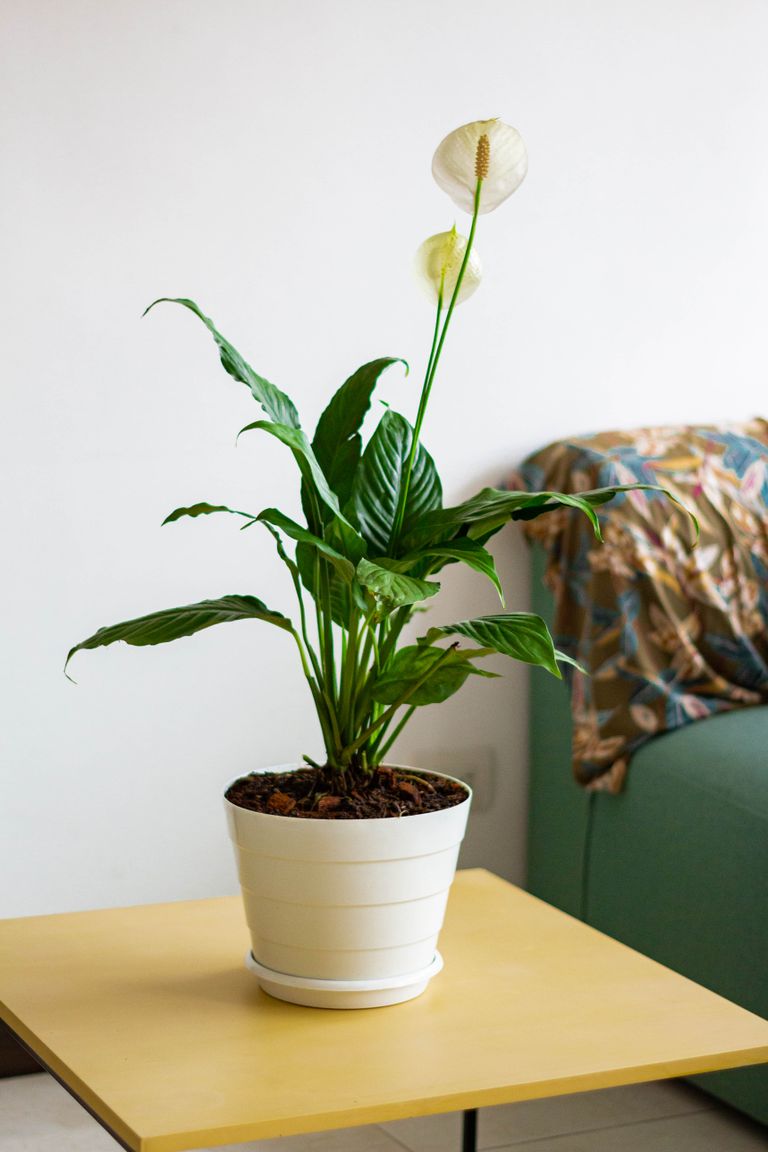
5. Peace Lily (Spathiphyllum) — Elegant and Self-Signaling
The peace lily does something remarkable: it tells you exactly when it needs water. The leaves begin to droop visibly when the soil is dry — and within a few hours of watering, they stand tall again.
Light Requirements
Low to medium indirect light. Peace lilies are one of the rare flowering plants that genuinely bloom in low light — though bright indirect light will produce more flowers. Keep away from direct sun, which causes brown scorch marks.
Watering Schedule
Once a week in warm months, less in winter. Watch the leaves — they’re your indicator. Peace lilies also appreciate humidity, so a bathroom or kitchen placement works well.
Why Beginners Love It
- Flowers indoors with minimal effort (white blooms, classic look)
- Clear drought signal makes watering decisions easy
- Thrives in high humidity — great for bathrooms
- Proven air purifier for VOCs
⚠️ Toxic to pets and children if ingested
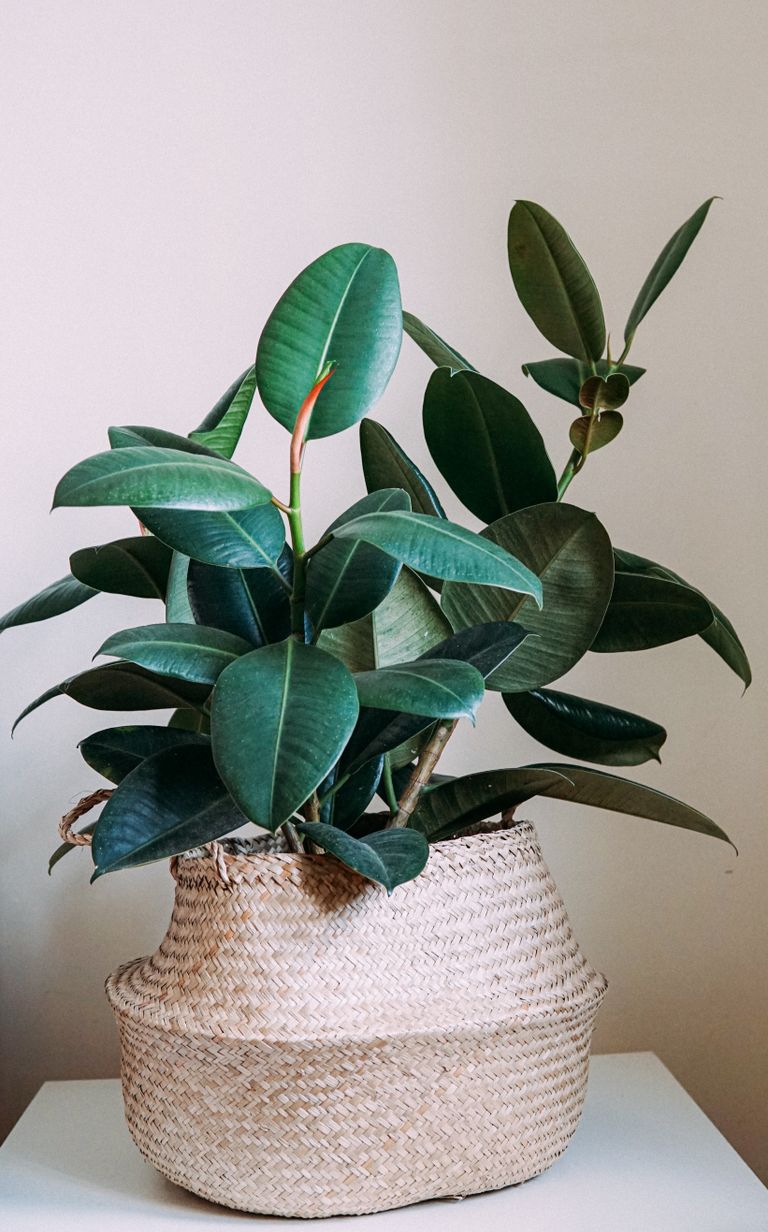
6. Rubber Plant (Ficus elastica) — A Bold Statement That Requires Little
The rubber plant delivers that bold, editorial look with surprisingly low maintenance. Its large, glossy leaves — which come in deep green, burgundy, and variegated versions — make it one of the most photogenic beginner plants you can own.
Light Requirements
Bright indirect light is best, but rubber plants adapt to medium light over time. Unlike some ficus varieties, they’re not prone to dropping leaves when moved — just give them a week or two to settle.
Watering Schedule
Every 1–2 weeks in growing season, monthly in winter. Let the top inch of soil dry out between waterings. Wipe down the leaves occasionally with a damp cloth — their large surface area tends to collect dust.
Why Beginners Love It
- One of the fastest-growing beginner plants
- Makes an immediate design statement in any room
- Low pest problems compared to other ficus varieties
- Available in stunning burgundy and pink-tinged varieties
⚠️ Mildly toxic to pets
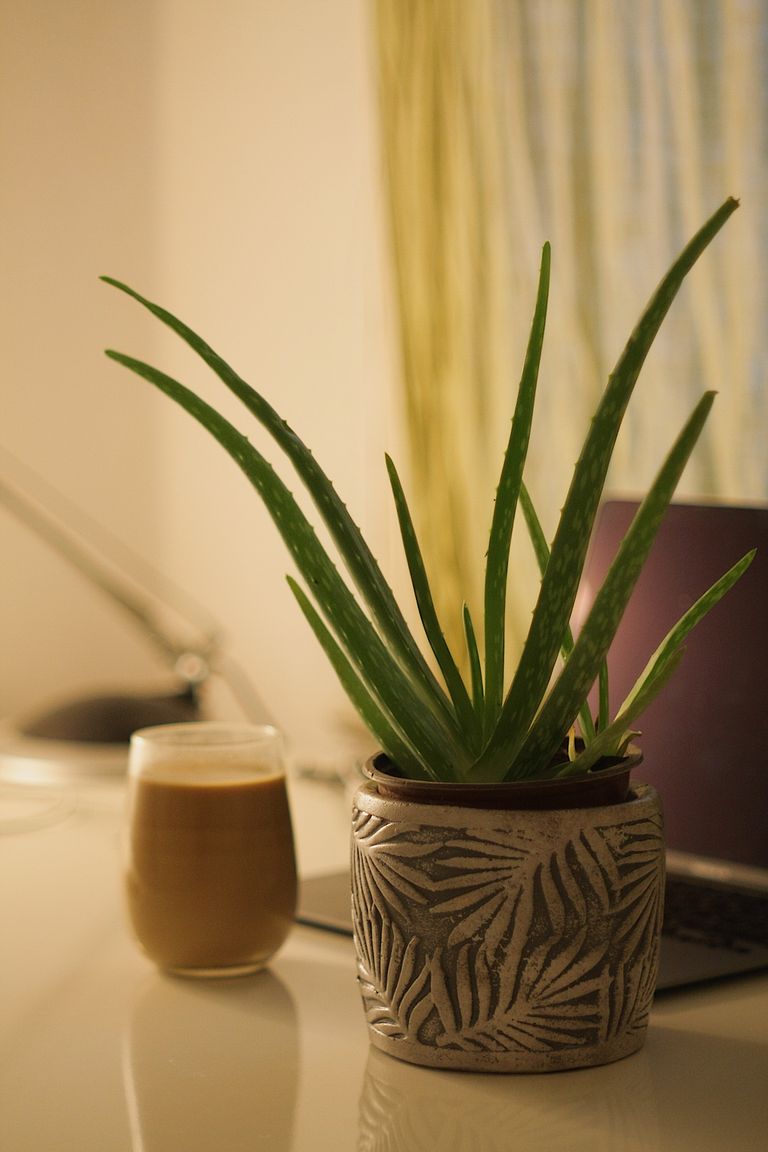
7. Aloe Vera — The Useful Beauty
Aloe vera is a plant that earns its keep twice: as a stylish succulent and as a first-aid tool. That gel inside the leaves genuinely soothes minor burns and skin irritation — it’s one of the few houseplants with a practical day-to-day use.
Light Requirements
Bright indirect light to full sun — aloe is one of the few houseplants that genuinely loves a south-facing window. In low light, it becomes leggy, pale, and less productive.
Watering Schedule
Every 2–3 weeks in summer, monthly in winter. Let the soil dry out completely, then water deeply. Use a fast-draining cactus or succulent mix.
Why Beginners Love It
- Functional — gel from leaves soothes minor burns and sunburn
- Sculptural, dramatic look that pairs with modern and minimalist decor
- Propagates easily via pups (offsets from the base)
- Very low humidity requirements
- ⚠️ Toxic to pets if consumed — keep elevated
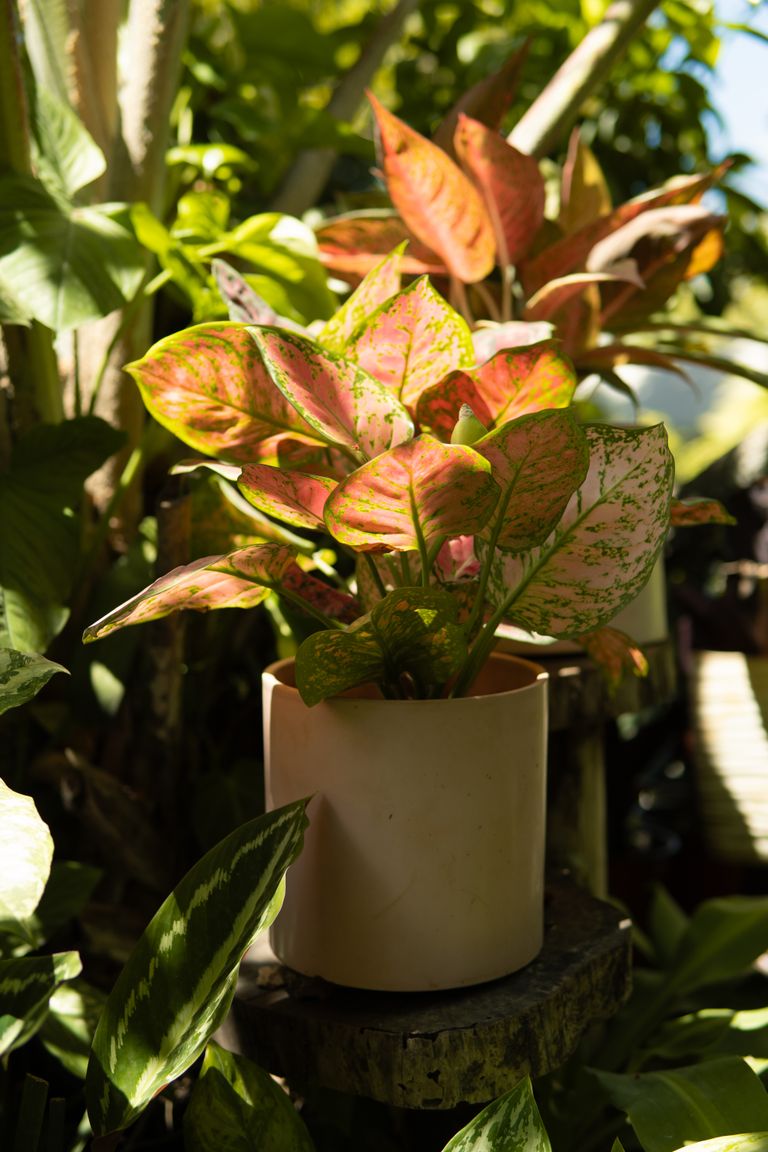
8. Chinese Evergreen (Aglaonema) — A Color Pop for Dark Corners
Chinese evergreens are the hidden gem of beginner plants. They come in an incredible range of colors — from dark forest green to hot pink, red, silver, and everything in between — and they genuinely thrive in low light.
Light Requirements
Low to medium indirect light. Darker leaf varieties (green/silver) tolerate the lowest light. Brighter varieties (pink/red) need a bit more light to maintain their color. Either way, no direct sun — it scorches the leaves.
Watering Schedule
Every 1–2 weeks, letting the soil partially dry between waterings. Chinese evergreens are forgiving of irregular watering and don’t need high humidity to stay happy.
Why Beginners Love It
- One of the most low-light-tolerant plants that still looks vibrant
- Color variety is unmatched among beginner plants
- Slow-growing — less repotting needed
- Excellent air quality benefits
⚠️ Toxic to pets — handle with care
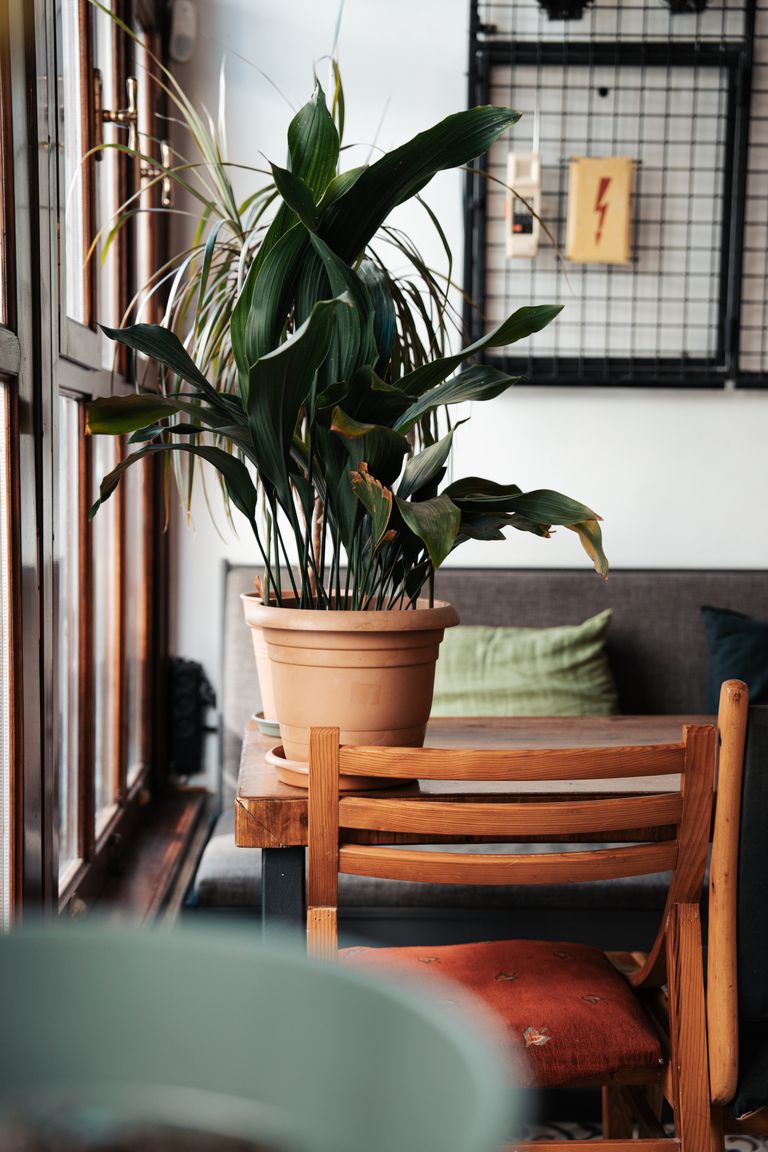
9. Cast Iron Plant (Aspidistra elatior) — Survives True Neglect
The name says it all. The cast iron plant tolerates low light, temperature fluctuations, dust, drought, and irregular fertilizing without complaint. It grows slowly, yes — but for someone who wants a drama-free plant that simply endures, nothing beats it.
Light Requirements
Low light is perfectly fine. It can survive in some of the darkest indoor corners where most other plants would slowly perish. Avoid direct sun entirely.
Watering Schedule
Every 2–4 weeks. Allow the soil to dry out between waterings. During winter, water even less. This plant is about as close to zero-maintenance as houseplants get.
Why Beginners Love It
- Virtually impossible to kill through neglect
- Doesn’t need humidity, fertilizer, or frequent attention
- Deep green, arching leaves add an elegant, classic look
- Pet-friendly — non-toxic to cats and dogs
- Ideal for renters in apartments with limited natural light
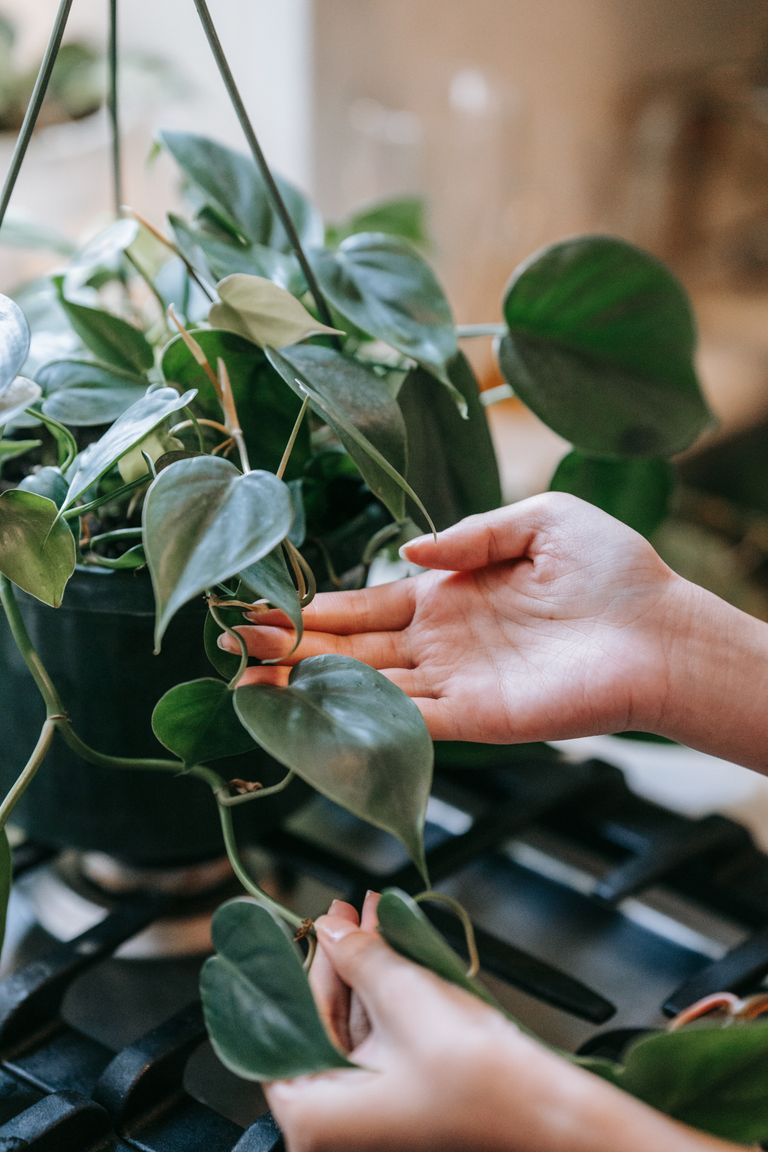
10. Heartleaf Philodendron (Philodendron hederaceum) — The Lush Trailing Beauty
Its heart-shaped, deep green leaves are slightly velvety, and it trails with a lush, cascading look that elevates any shelf or bookcase. It’s also one of the easiest philodendrons to care for.
Light Requirements
Medium to bright indirect light. It tolerates low light better than most, but growth will slow significantly. In bright indirect light, it’s one of the fastest-growing plants you can keep indoors.
Watering Schedule
Weekly in summer, every 10–14 days in winter. Let the top inch of soil dry out. Like pothos, the leaves will curl slightly when thirsty — a gentle reminder rather than a crisis signal.
Why Beginners Love It
- Extremely fast grower — you’ll see new leaves weekly in good conditions
- Can be trained to climb a moss pole for a different aesthetic
- Widely available and affordable
- Easy to propagate in water
⚠️ Toxic to pets and humans if ingested
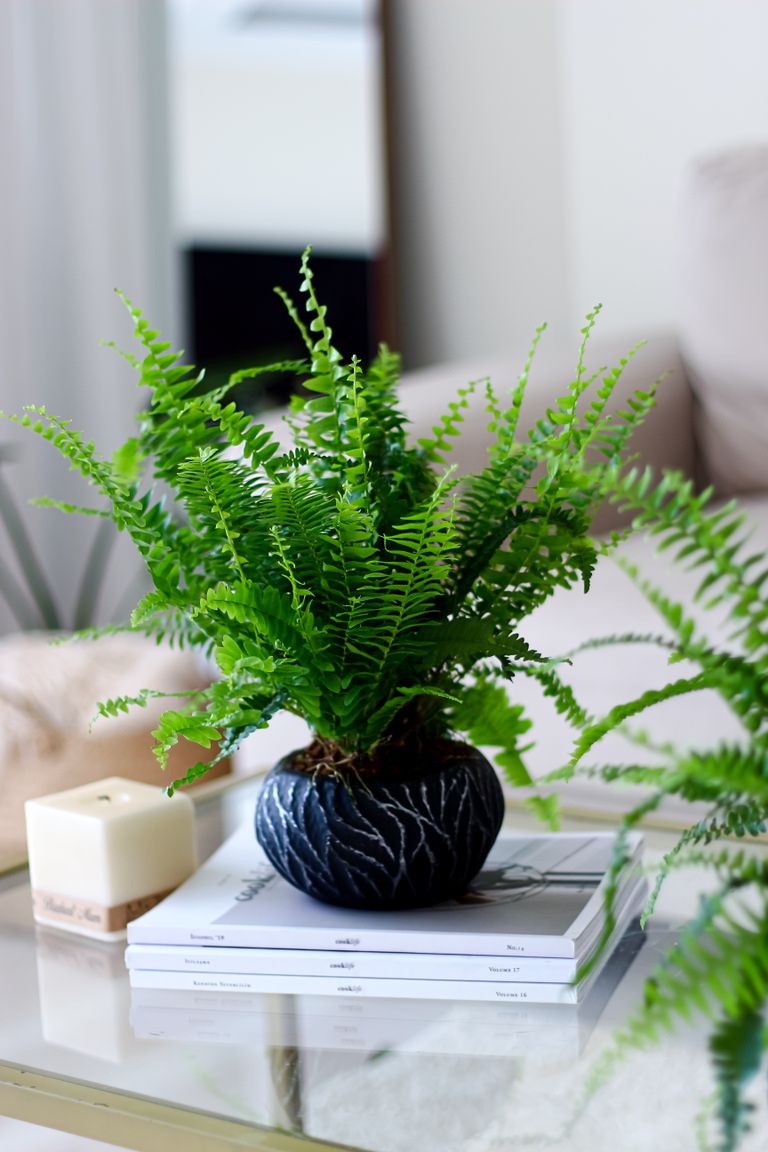
11. Boston Fern (Nephrolepis exaltata) — Feathery Texture, Surprisingly Tough
Boston ferns get a bad reputation for being fussy, but that reputation is only deserved if you ignore their one non-negotiable: humidity. Give them humidity and indirect light, and they reward you with voluminous, feathery fronds.
Light Requirements
Medium to bright indirect light. Near a north or east-facing window is ideal — they want light, but not harsh afternoon sun.
Watering Schedule
Keep the soil consistently moist (but not waterlogged) in warm months. In winter, they can dry out a little more between drinks. Sit the pot on a tray of pebbles and water, or use a humidifier nearby.
Why Beginners Love It
- Exceptional for improving indoor air quality and humidity levels
- Stunning in hanging baskets
- Pet-friendly — non-toxic to cats and dogs
- Thrives naturally in bathrooms and kitchens
- Responds quickly to care improvements — very visible feedback
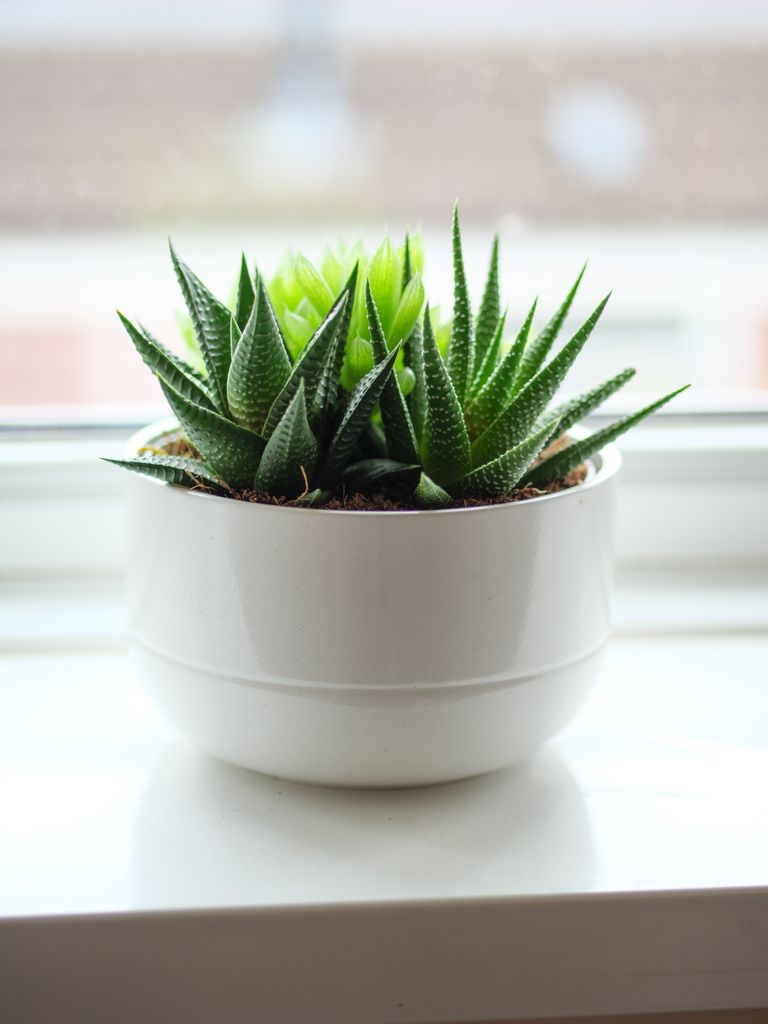
12. Haworthia — The Mini Succulent That Doesn’t Need Direct Sun
Most succulents fail indoors because they don’t actually get enough direct light. Haworthia is the exception. This small, rosette-forming succulent handles low to medium indirect light and barely needs watering — the ideal desk plant.
Light Requirements
Bright indirect light or filtered sun. Unlike most succulents, it does well in north-facing windows and even some distance from a window. Direct harsh sun can stress-color the leaves red or orange.
Watering Schedule
Every 2–3 weeks in summer, monthly in winter. Very drought-tolerant and much more forgiving of underwatering than overwatering. Use well-draining cactus mix.
Why Beginners Love It
- Compact — perfect for desks, shelves, and small spaces
- Stays small for a long time (slow grower = low maintenance)
- Available in dozens of architectural varieties
- Practically thrives on neglect
- Non-toxic to pets
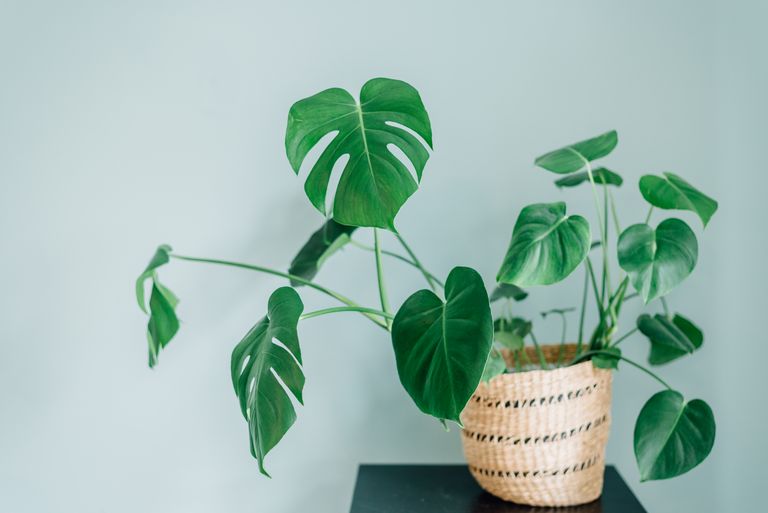
13. Monstera Deliciosa — For When You’re Ready to Go Big
The monstera is technically moderate-care, but it’s forgiving enough and so widely desired that it deserves a spot on this list. Those iconic split leaves have become synonymous with modern interior design, and a well-placed monstera transforms a room.
Light Requirements
Medium to bright indirect light. Avoid direct sun — it scorches the leaves. In lower light, fenestrations develop more slowly and leaves stay smaller, but the plant survives.
Watering Schedule
Every 1–2 weeks, letting the top inch or two dry out between waterings. Monsteras are fairly drought-tolerant but appreciate slightly higher humidity.
Why Beginners Love It
- Grows fast and dramatically in good conditions
- New leaves unfurl in a curled sheath — endlessly satisfying to watch
- Available everywhere and still very on-trend
- Can be propagated via node cuttings
⚠️ Mildly toxic to pets
💡 Beginner tip: Start with a smaller, younger plant — they adapt more easily than large specimens and you grow with them.
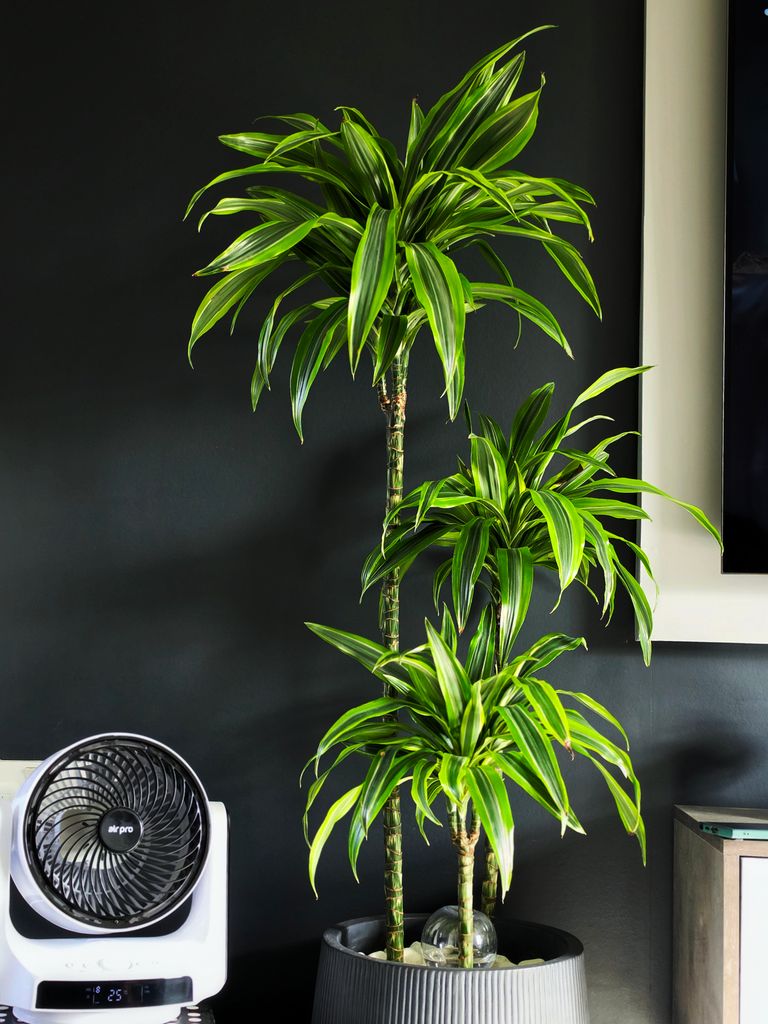
14. Dracaena — Architectural and Low-Drama
Dracaena is an entire genus of elegant, upright plants — from the corn plant (D. fragrans) to the dragon tree (D. marginata) — and nearly every variety is beginner-friendly. They look like they take expertise to maintain but genuinely don’t.
Light Requirements
Medium indirect light is ideal. Dracaenas adapt well to lower light but won’t grow much. Avoid direct sun, which bleaches the leaves and causes brown tips.
Watering Schedule
Every 2 weeks in summer, every 3–4 weeks in winter. Sensitive to fluoride and chlorine in tap water, which causes brown leaf tips. Use filtered water or let tap water sit overnight.
Why Beginners Love It
- Architectural, sculptural form fits modern and bohemian interiors equally
- Many varieties grow floor-to-ceiling over time
- Very low humidity requirements
- Widely available and affordable
⚠️ Toxic to pets — particularly cats
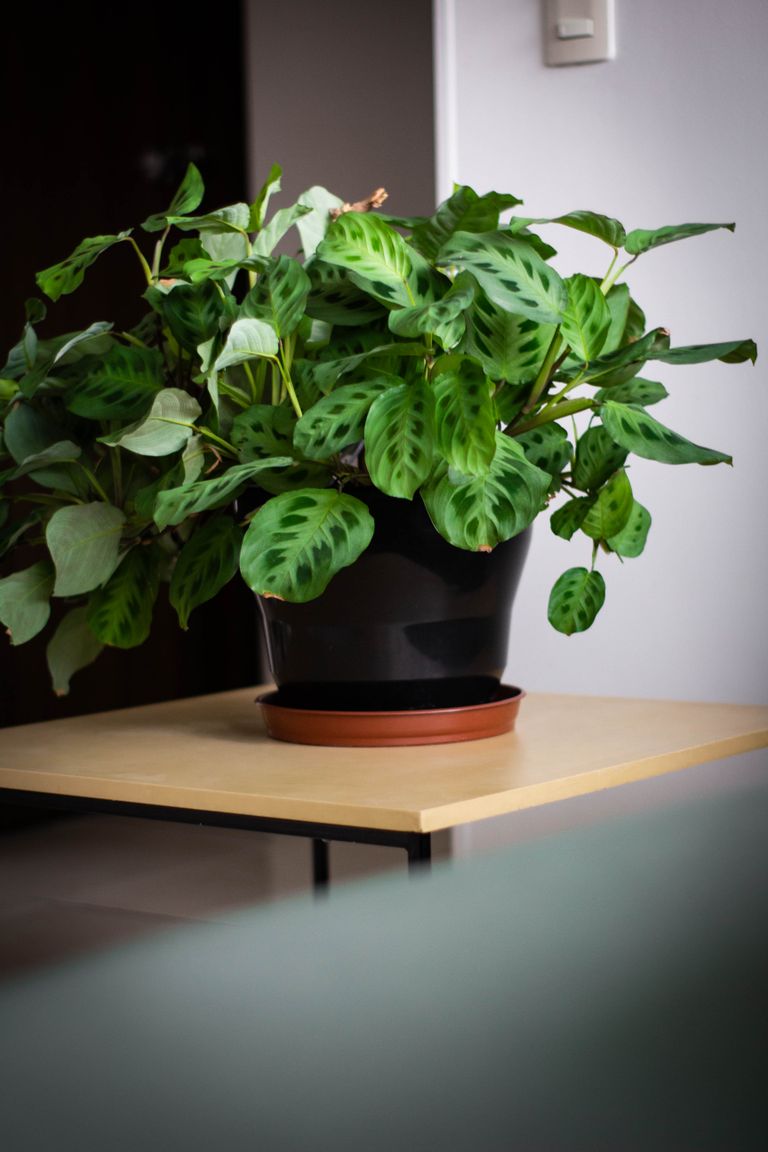
15. Prayer Plant (Maranta leuconeura) — Living Decor That Moves
The prayer plant earns its name honestly: its leaves fold upward at night, like hands in prayer, then open again in the morning. It’s one of the most interactive houseplants you can own.
Light Requirements
Low to medium indirect light. Prayer plants prefer to be away from bright windows — they thrive in the kind of light that other plants struggle with, making them ideal for north-facing rooms.
Watering Schedule
Keep the soil lightly moist during the growing season, allowing the top inch to dry between waterings. They appreciate humidity. Use lukewarm water; cold water can shock the roots.
Why Beginners Love It
- The daily movement of the leaves is uniquely engaging and charming
- Thrives in low light where other plants fail
- Non-toxic to pets and children — safe for every household
- Beautiful compact size — perfect for tabletops and nightstands
- Available in red, green, and herringbone varieties
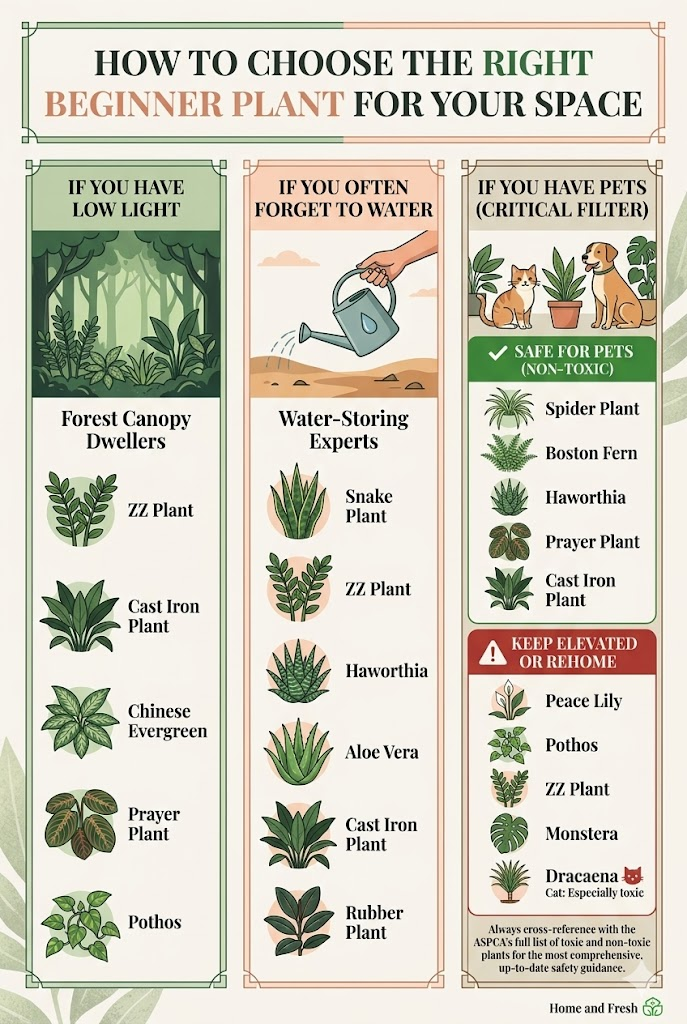
Now that you’ve met all 15, the real question is: which one is actually right for your home?
The following infographic may come handy for you to get started with the right plant.
The Beginner Plant Starter Kit (Tools and pots)
You’ve chosen your plant. Now you need the right tools to set it up for success. Here’s what actually matters — without any unnecessary extras.
Best Beginner Pots
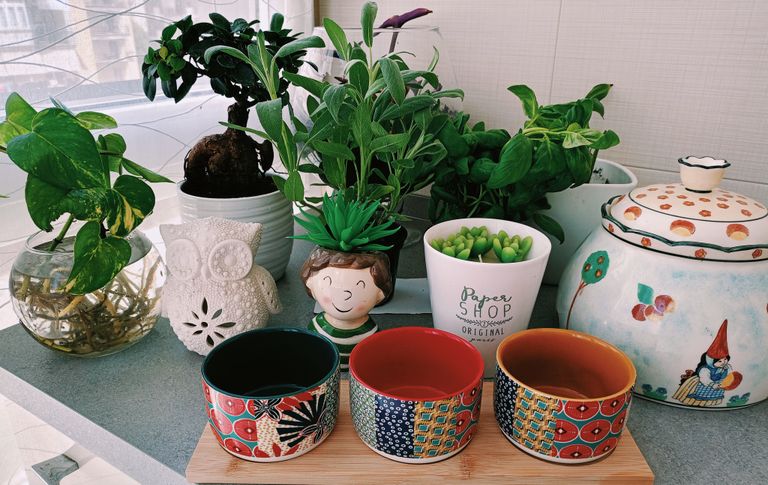
The most important feature in a beginner pot? Drainage holes. Without them, excess water has nowhere to go, and root rot becomes almost inevitable.
- Terracotta — breathable, forgiving for overwatering, great for succulents
- Glazed ceramic — stylish, retains moisture longer (good for ferns)
- Lightweight plastic nursery pots with decorative outer pots — flexible and practical
Best Starter Soil
Not all potting mixes are created equal. Here’s a simple guide:
| Plant Type | Best Soil Mix |
| Most tropical houseplants | Standard indoor potting mix |
| Succulents & aloe | Cactus/succulent mix (fast-draining) |
| Monsteras & philodendrons | Potting mix + perlite (50/50 or 60/40) |
| Ferns | Moisture-retentive mix with compost |
Avoid using garden soil indoors — it compacts quickly in pots and doesn’t drain properly.
Best Watering Can
A long-spouted watering can gives you precision — you can direct water to the soil and around roots without splashing leaves, which reduces the risk of fungal issues. Look for a can with a narrow spout in the 1–2 liter range for most home collections.
Common Beginner Mistakes (and How to Avoid Them)
These are the mistakes that quietly kill houseplants in otherwise loving homes.
1. Overwatering (The #1 Killer)
More houseplants die from too much water than too little. Overwatering drowns roots, cutting off oxygen and leading to root rot. The fix: always check the soil before watering. A moisture meter removes all the guesswork.
2. Wrong Pot Size
Putting a small plant in a large pot is well-intentioned but counterproductive. Excess soil holds moisture the roots can’t access, creating the perfect environment for root rot. Always pot up by one size at a time.
3. Ignoring Light Conditions
“Bright indirect light” and “direct sun” are not the same thing. A south-facing window in summer can scorch leaves; a north-facing window might not provide enough light for sun-lovers. Know the light in each room of your home before choosing placement.
4. Repotting Too Soon
Repotting is stressful for the plant — roots get disturbed, and it takes time to reestablish. Most houseplants only need repotting every 1–2 years, when roots start emerging from drainage holes or the plant has clearly outgrown its container.
5. Buying Cheap, Low-Quality Soil
Bargain potting mixes often compress over time, preventing proper drainage and aeration. Invest in a quality indoor potting mix — your plants’ roots will thank you.
6. Neglecting Humidity in Winter
When the heating comes on in winter, indoor humidity drops dramatically — often below 20–30%, which is below what most tropical houseplants prefer. Signs of low humidity: brown leaf tips, crispy edges, and curling leaves. A small humidifier or a pebble tray with water makes a meaningful difference.
7. Putting Plants in the Wrong Spot and Never Moving Them
Your plant’s needs aren’t static. Seasonal light changes, drafts from open windows, proximity to heating vents — all of these change throughout the year. Don’t be afraid to experiment with placement until your plant looks its best.
Frequently Asked Questions
Ready to Start Your Plant Journey?
There’s a reason plant parenthood has exploded in recent years — and it’s not just because plants look great on shelves. Tending to something living, watching a new leaf unfurl, troubleshooting a yellow leaf and seeing your plant bounce back — it’s genuinely rewarding in a low-stakes, deeply satisfying way.
The trick is starting with the right plant for where you are right now: your light conditions, your schedule, your home, your experience level.
If you’re genuinely starting from zero, begin with a snake plant or pothos. They are nearly impossible to kill, they look great, and they’ll build your confidence for everything that comes next.
Once you’ve got one plant alive and thriving for a few months? You’ll catch the bug. You’ll want another. And another. And suddenly you’ll be the person with 30 plants and strong opinions about soil aeration.
Welcome to the hobby. We’re glad you read about some of the best indoor plants.